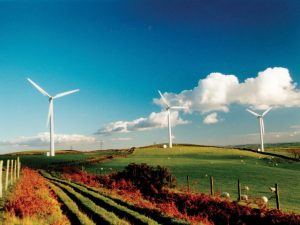
Any landowners whose land is positioned up high is at an advantage for being approached by a wind turbine farm developer! This is because property that is elevated like this has higher wind speeds, and more of it!
What Do Wind Developers Consider in a Property for Wind Farms?
The location of a wind energy facility depends on the availability of land with good wind potential and the availability of a nearby transmission access with enough capacity to carry the electricity generated by the facility. Developers also take into consideration the level of community support or opposition to a wind energy project.
Things to Consider When Negotiating a Wind Turbine Lease
Like any long-term lease agreement a property owner may sign, the landowner must carefully negotiate for their rights. As is the case with companies who propose to lease land for the construction of cellphone tower, the first draft of any wind-lease brought to a landowner should be understood as simply a primary offer. Back-and-forth negotiations will be needed to reach agreement on a rental amount and to ensure that the rights of the tenant are not overstepped. A landowner’s negotiations will change based on how important his land is to the feasibility of the overall project. We do not encourage landowners to negotiate on their own, or even with a general attorney with no industry-specific knowledge.
As is true with any category of land lease, be it solar leases, grazing leases, or billboard leases, landowners need the legal assistance of someone with experience in wind farm leasing to protect their best interest during negotiations.
To give you some insight into the types of matters our industry consultants work on throughout the negotiation process of a wind farm lease we’ve included some information below:
The Duration of the Wind Turbine Farm Lease
It usually takes about 2 to 5 years for the wind project to be fully developed and operations. And the typical lease term for a wind turbine farm is between 20 to 50 years. Renewal rights are something that may or may not be included in the contract to rent the property. It’s important for the landowner to understand that a wind developer might not know the exact location on your property where the wind facility will be placed. Once the land lease is signed, the wind developer has the access they need to your property to conduct the appropriate tests. Then they can decide the final location of the project. The lease will be terminated if the tenant does not obtain regulatory approval and proceed with development within a stated time.
Cooperation Agreements Among Landowners
If multiple landowners are being approached for a project, then individual leases are necessary for each property. The location of the wind turbines is of course the first piece of the property that comes to mind, but it is important to not forget to include the site where electrical transmission, water access, or access roads are located. Cooperation Agreements among landowners may be needed to address rent sharing where the placement of wind turbines is uncertain or will be along common borders.
No Build Areas
Although the exact location of the wind turbines is unknown, the landowner is entitled to stipulate “no build areas” within the lease terms. These portions of the property are where the developer cannot build any structures throughout the duration of the development period. This is important for a landowner such as a farmer, whose home is on the property and does not want to be bothered by the noise or the foot traffic associated with the workers who would access the development.
Royalty Payments
Although not typical of every wind energy lease, the amount of rent the landowner is due becomes a fixed percentage of the gross operating revenue that the wind developer makes as a result of selling electrical energy to an electrical plant, including the money the developer makes from renewable energy credits. This type of rent is hit or miss. They can offer great reward to a property owner but might also make rent payments extremely low if the operating results of the wind turbine farm are poor. Furthermore, this type of rental payment stipulation is harder to negotiate. Landowners should be given the right to see the wind developers finances and sales records to ensure they are being paid the appropriate amount.
Asset Retirement Obligation
A genuine lease agreement will include a plan that covers the cost of removing the wind development after the full term. Wind turbines usually last around 20-25 years, although facilities can be “repowered” with replacement turbines. Wind energy facilities that are subject to site evaluation permit approval, it is normally conditioned on some type of appropriate decommissioning plan negotiated with local governmental authorities. Individual landowners depend on these plans and need to review them.